


Since ancient times, the Ainu people have inhabited the northern reaches of the Japanese archipelago, rooted primarily in Hokkaido. To speak of Ainu history is to speak of the history of humankind in Hokkaido. Humans are believed to have first arrived there roughly 30,000 years ago. However, it was around the 13th century that the distinct Ainu way of life began to flourish — a society built on not only hunting and gathering, but also on fishing, grain cultivation and cross-sea trade.
At the heart of their culture is a profound reverence for the natural world. According to Ainu beliefs, ramat — immortal spirits — manifest in all things in nature. Particularly strong or influential spirits are called kamuy. This spiritual connection is woven into every facet of their lives, from oral literature passed down through generations to traditional songs, dances and instrumental performances meant to be enjoyed with kamuy. It is also evident in the beautiful and powerful patterns applied to clothing, tools and ritual objects through wood carving and embroidery.
However, this unique culture underwent drastic changes due to growing friction with the wajin (ethnic Japanese) and the forced assimilation policies imposed by the Meiji government during the 1868 to 1912 Meiji Era. Not until 1997 did Japan finally pass legislation establishing measures to preserve their cultural heritage. This was the first law to recognize the Ainu as a distinct ethnic group.
Additionally, the adoption of the U.N. Declaration on the Rights of Indigenous Peoples in 2007, followed by the Diet’s adoption of a resolution calling for the recognition of the Ainu people as indigenous, sparked a movement to respect the Ainu people’s pride and revitalize their culture. They were finally declared indigenous in the Ainu Policy Promotion Act that took effect in May 2019.
Preserving Ainu history
As these events were unfolding, the Upopoy National Ainu Museum and Park was established in the town of Shiraoi, Hokkaido, as a hub to ensure this ancient and living culture is appreciated and continues to thrive for generations to come. Upopoy is a recently coined Ainu term that means “to sing together in a large group.”
The 15-hectare property is just a 10-minute walk from Shiraoi Station. Visitors are greeted by Lake Poroto, which is a popular spot for ice fishing for wakasagi (smelt). Many visitors enjoy strolling through the gardens, which are full of seasonal flowers and plants. Situated along the prefecture’s southwestern coast, the area is blessed with cool breezes even in the height of summer, while in winter snowfall is relatively mild, making it easy to get around even for those unaccustomed to northern climates.
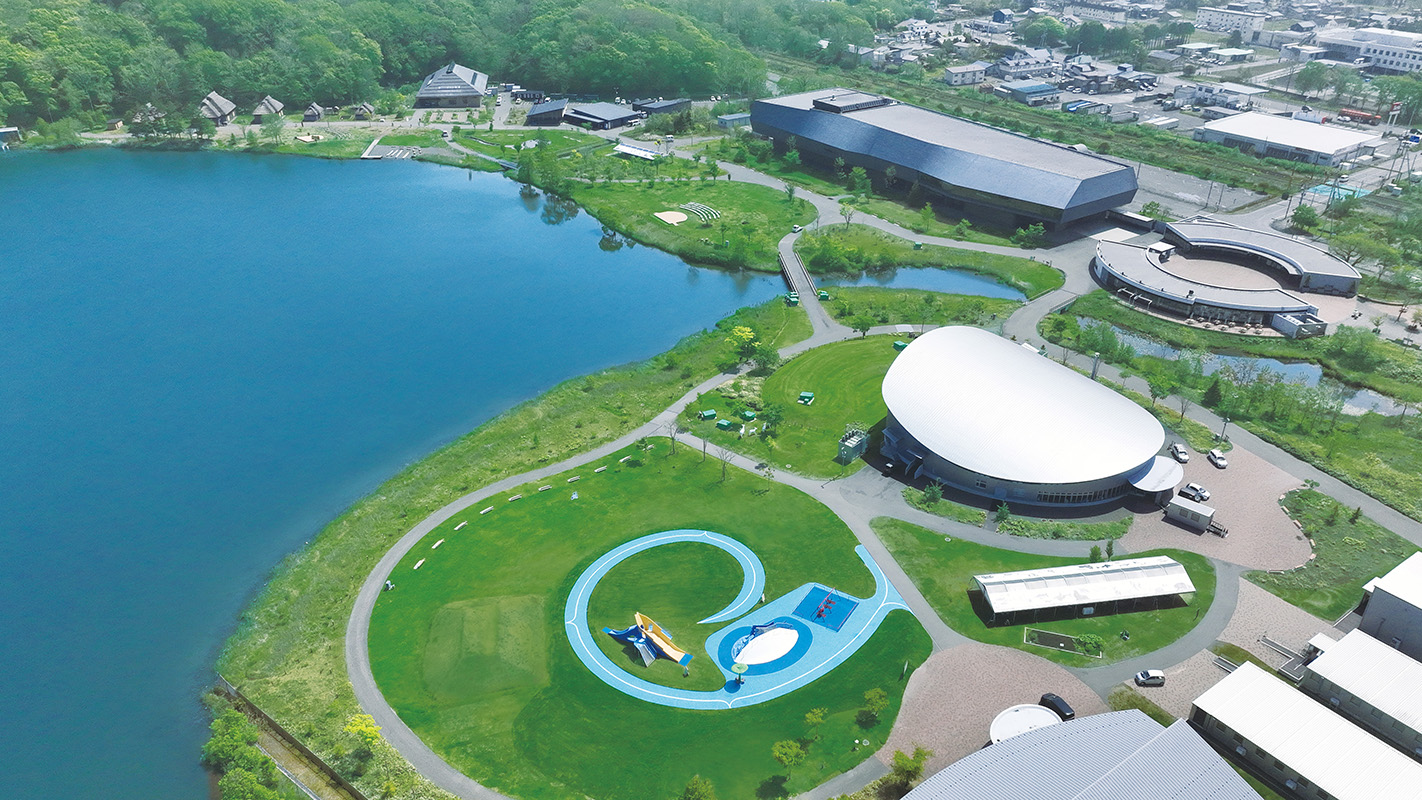
The site is home to three major facilities: the National Ainu Museum, the National Ainu Park and the Memorial Site. The Memorial Site was established to accept the remains and burial goods of Ainu people that were excavated and collected by domestic and foreign universities and research institutions for study. Some were reportedly gathered without the knowledge or consent of the Ainu. Memorial services are held to commemorate and show respect for the owners of these items, which are safeguarded until they can be returned to their rightful descendants or communities.
The names of the museum’s facilities, exhibit themes and programs are labeled in Ainu and spelled out in katakana and Roman characters. Staff members also wear Ainu nicknames known as a ponre on their name tags. This practice follows the Ainu custom of not using one’s real name in daily life to shield oneself from misfortune. These nicknames may reflect a person’s characteristics, such as “high-pitched voice,” or anecdotes related to that person. Upopoy is rare in that it is one the few places in the world where Ainu stand ready to reveal the origins of their ponre.
The permanent exhibition area presents information about the Ainu people under six themes: language, universe, lives, history, work and exchange. Many exhibits have descriptions in English, Chinese and Korean. What makes this museum unique is that each category speaks not only of the past, but also the present, because Ainu is a living culture. All stories related to the exhibits are told from the perspective of the Ainu.
Through Nov. 23, the special exhibition area will showcase traditional Ainu costumes, shedding light on their colors, materials, patterns and construction techniques, as well as the evolution of Ainu fashion through trade and cultural exchange with the rest of Japan.
At the theater, three short documentaries run regularly. “Ainu History and Culture” provides a basic understanding of the people, while “Ainu Crafts Gain Worldwide Attention” covers Ainu-related materials preserved in museums abroad. These documentaries can be viewed with audio guides in English, Chinese, Thai, Korean and Russian. “Everyday Ainu,” which explores the lives of the people in today’s world, is available in Japanese with English subtitles.
Crafts, stories and more
The National Ainu Park, which surrounds the museum, contains facilities including a traditional Ainu village known as a kotan, the Crafts Studio and the Cultural Exchange Hall, which offers visitors a wide range of interactive programs.
The kotan features several houses, which are known as cise in the Ainu language. These host activities such as lessons in traditional singing and storytelling sessions. No Japanese ability is required enjoy these experiences, which are rich with sounds, melodies, dynamic vocal expressions and rhythms.
At the Crafts Studio, visitors can take lessons on how to play the mukkuri (traditional mouth harp) and participate in hands-on activities such as embroidery and wood carving. Artisans regularly work here, giving visitors the chance to observe traditional craftsmanship and ask questions.
The Cultural Exchange Hall is a venue for Ainu performing arts, including traditional dances recognized by UNESCO as Intangible Cultural Heritage, as well as recitations of yukar (heroic epic poetry) and mukkuri performances. Colorful traditional costumes adorned with intricate embroidery and applique are an additional highlight.
Audio guides and printed materials are available in English, Chinese, Thai, Korean and Russian, depending on the performance.
At the nearby Archery Space, visitors can try archery for free (three shots) using blunt-tipped arrows to hit targets. For ¥500, visitors can enjoy a more authentic experience with six sharp arrows aimed at animal-shaped targets.
During the late 1870s, the Ainu’s traditional archery-based hunting methods faded away after the government banned the use of poison arrows and bow traps. However, archery remains an essential part of Ainu heritage, which requires they remember their core worldview — that some animals are manifestations of kamuy and should be received with deep reverence and gratitude.
In the Workshop area, visitors can try their hand at making simple Ainu dishes. There are also cafes and restaurants offering a wide range of traditional Ainu cuisine. Inside the museum’s stores, visitors can find Ainu-patterned textiles and woodwork, books and various Hokkaido souvenirs. Even after a generous shopping spree, carrying your purchases is hassle-free — Upopoy is just a 15-minute express train ride from Tomakomai Station (home to the Tomakomai West Port Ferry Terminal) or a 40-minute ride from New Chitose Airport near Sapporo.
Upopoy will have a booth at Tourism Expo Japan 2026, which will be held at Tokyo Big Sight from Sept. 24 to 27. The booth will showcase traditional Ainu crafts and offer hands-on experiences, such as trying on authentic Ainu costumes. Live stage performances including dancing and mukkuri music, as well as presentations on other aspects of Ainu culture, will be held on some of the stages at the venue.
See for more information.
