


Sake is an integral part of Japanese food culture. Oct. 1 is Nihonshu no Hi (Sake Day), designated by the Japan Sake and Shochu Makers Association as a day to promote a deeper understanding and appreciation of sake. It marks the start of a new brewing season, as freshly harvested rice becomes available and sake breweries begin production.
Today, sake — with a brewing tradition stretching back some 2,000 years — is evolving from a locally rooted beverage into one with a growing global presence, favored at high-end restaurants as an alternative to wine. Its versatility makes it a natural match for a wide range of cuisines, from washoku to French, Italian, Chinese and more.
Sake exports have grown more than sevenfold over nearly two decades, reaching ¥45.9 billion ($314 million) in 2025, with exports continuing to grow in early 2026. At the forefront of this movement is Katoukichibee Shouten, an international award-winning, 11th-generation sake brewery in Sabae, Fukui Prefecture, along the Sea of Japan.
The brewery is renowned for its iconic Born brand. Written with a single kanji character, the brand’s name carries meanings associated with “purity” and “truth” in Sanskrit, while also evoking “creation” and “future vision” in Japanese. As of Aug. 1, the brewery was exporting its high-quality sake to 120 countries.
Classic craft, new technology
Sabae is home to a deep-rooted culture of craftsmanship and this brewery has been producing sake since 1860. It specializes in junmai (pure rice) sake — made only from rice, °ìōÂᾱ (a mold used to ferment rice) and water, with no added alcohol or unnecessary additives.
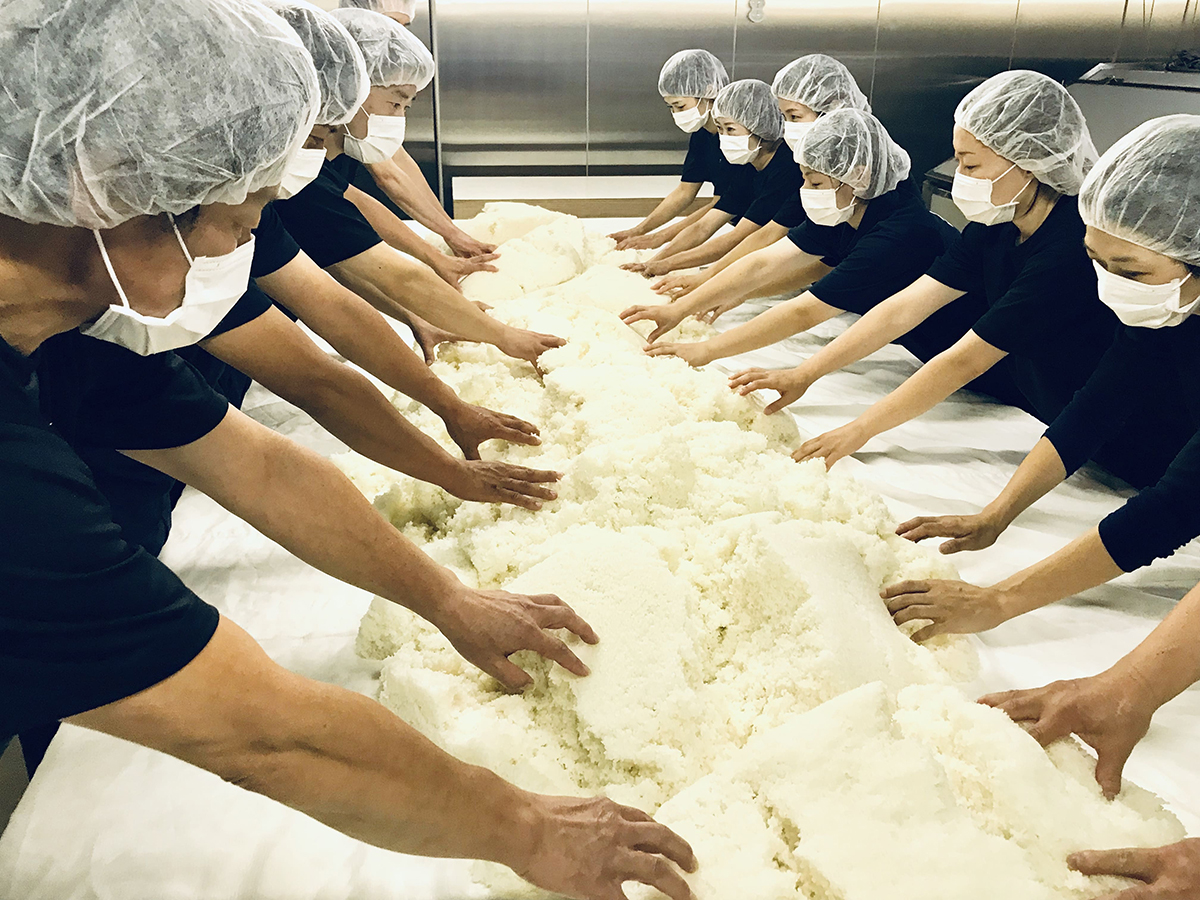
In sourcing its ingredients, the brewery selectively uses three varieties of sake rice: Yamada Nishiki, widely regarded as the “king of sake rice,” grown by contracted farmers in Hyogo Prefecture, as well as Gohyakumangoku and Sakahomare grown in its home prefecture of Fukui.
The 11th-generation head of the brewery has also designed custom-built, state-of-the-art rice-polishing machines. The careful balance between handcrafted techniques and modern technology enables the brewery to polish its finest rice to a ratio of 20% for its premium sake.
Across its sake production, the brewery achieves an average polishing ratio of 34.5% — among the highest in Japan. Only the shinpaku, the starchy white core of the grain, is used. Because it is low in crude protein and lipids, the resulting sake has a distinctively clean taste.
The polished rice is brewed with the company’s in-house yeast and groundwater drawn from approximately 180 meters beneath the Hakusan mountain range, fed by mineral-rich snowmelt from the sacred peak above.
All of the brewery’s sake is matured at ice-cold temperatures for at least one year before shipment, with select varieties aged for a decade or more, bringing out aromas evocative of ripe fruit and a smooth, deep flavor. This refined profile reflects the brewery’s an unwavering pursuit of quality.
Born’s global recognition
The brewery’s dedication to sake has contributed to Born’s recognition in Japan and overseas. Its sake has been served at welcome banquets for state guests in Japan and used in toasts at international events. In 1928, it was also served at the enthronement ceremony of Emperor Showa.
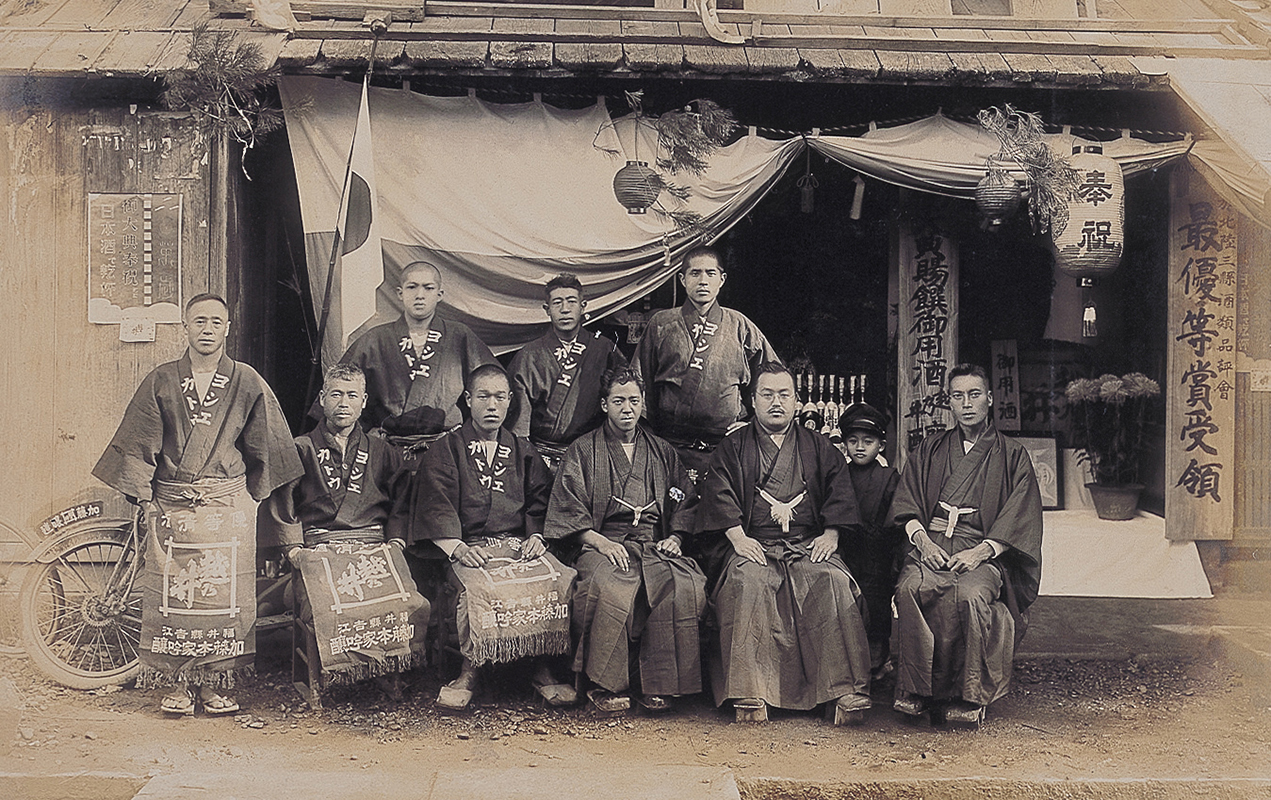
In 1998, Born: Ice Berg won the Grand Prix at the International Sake Festival in Toronto. Over the past decade, Born has garnered more than 1,600 awards. Most recently, at the 2026 International Wine Challenge, Born: Premium Sparkling won the Sparkling Trophy, while Born: A Wakening Of The Angel won the Koshu Trophy. Today, Born holds registered trademarks in more than 100 countries and regions.
The lineup spans about 40 products, including Born: Chogin Vintage, which is aged for more than 10 years at minus 10 degrees Celsius. It has an elegant fragrance and an extraordinarily smooth, rich profile. Born: Wing of Japan, meanwhile, is the official sake aboard Japanese government aircraft and has also been served at welcome banquets for state guests. It is prized for its delicate fragrance, soft mouthfeel and exceptionally crisp finish.
The lineup also includes Born: Dreams Come True, which is aged for about five years at minus 10 C. With its deep aroma and mellow flavor, the sake has become associated with celebrations of wishes fulfilled and as a sake for making wishes.
Home of the Born brewery
The home of Born is the Yoshie-cho neighborhood in Sabae. The historic castle-town retains the atmosphere of the 17th century. A retail store sits next to the brewery, while the Born Machiya Gallery — which exhibits historical materials about the brewery — is a short walk away. The gallery is in a townhouse more than 200 years old that has been extensively renovated. Its front gate and storehouse are registered as Tangible Cultural Properties.
For both visitors to Japan and residents, the site offers a chance to experience a traditional atmosphere firsthand and discover the roots of a sake brand with a global presence. The 2024 extension of the Hokuriku Shinkansen has brought Fukui within about three hours of Tokyo. From there it is a 15-minute train ride to Sabae Station and about a 15-minute taxi ride to the brewery.
For more information, visit


