


The inaugural Asia-Pacific Circular Cities Forum 2026 was held in Yokohama from Sept. 2 to 4. The event brought together representatives from 30 cities, primarily from Asia, along with representatives from over 15 international organizations. Prominent domestic and global leaders and innovators who are driving the shift toward a circular economy also attended. Together, they discussed the path toward a future with circular cities in which environmental sustainability and economic growth coexist.
The event was co-organized by the city of Yokohama and Local Governments for Sustainability (ICLEI) Japan. ICLEI is a global network of over 2,500 local and regional governments dedicated to urban sustainability.
From 2012 to 2025, Yokohama hosted the annual Asia Smart City Conference, the predecessor of the APCC-Forum. Through Yokohama’s initiatives to promote circularity within the city and its efforts to play a central role in pursuing circular societies in Asia, Yokohama recognized the need for a mechanism fitting the contexts of Asian cities when developing effective policies, similar to the European Circular Cities Declaration framework. This led Yokohama and some other Asian cities to publish a joint open letter at the beginning of the ASCC 2025, calling on international organizations and stakeholders to support the promotion of circular cities in Asia.
In response, ICLEI Japan announced the launch of the Asian Circular Cities Declaration (ACCD) at the conference, and Yokohama became its first member. The ASCC was then renamed the APCC-Forum.
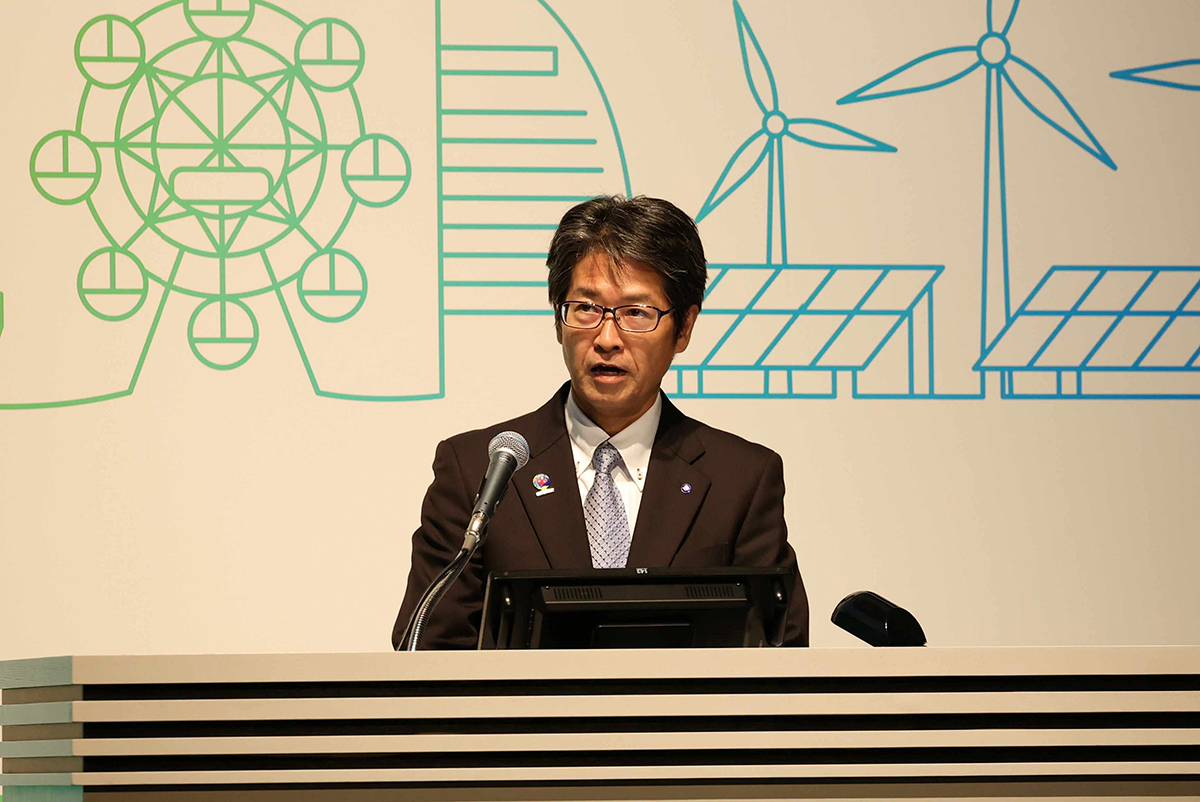
In his opening remarks at the forum, Jun Matsuura, the deputy mayor of Yokohama, said, “As the center of global manufacturing and home to nearly 60% of the world’s population, the Asia-Pacific region is critical to the success of the global circular economy.” He expressed hope that the forum would “inspire stronger partnerships and concrete action across the Asia-Pacific region.”
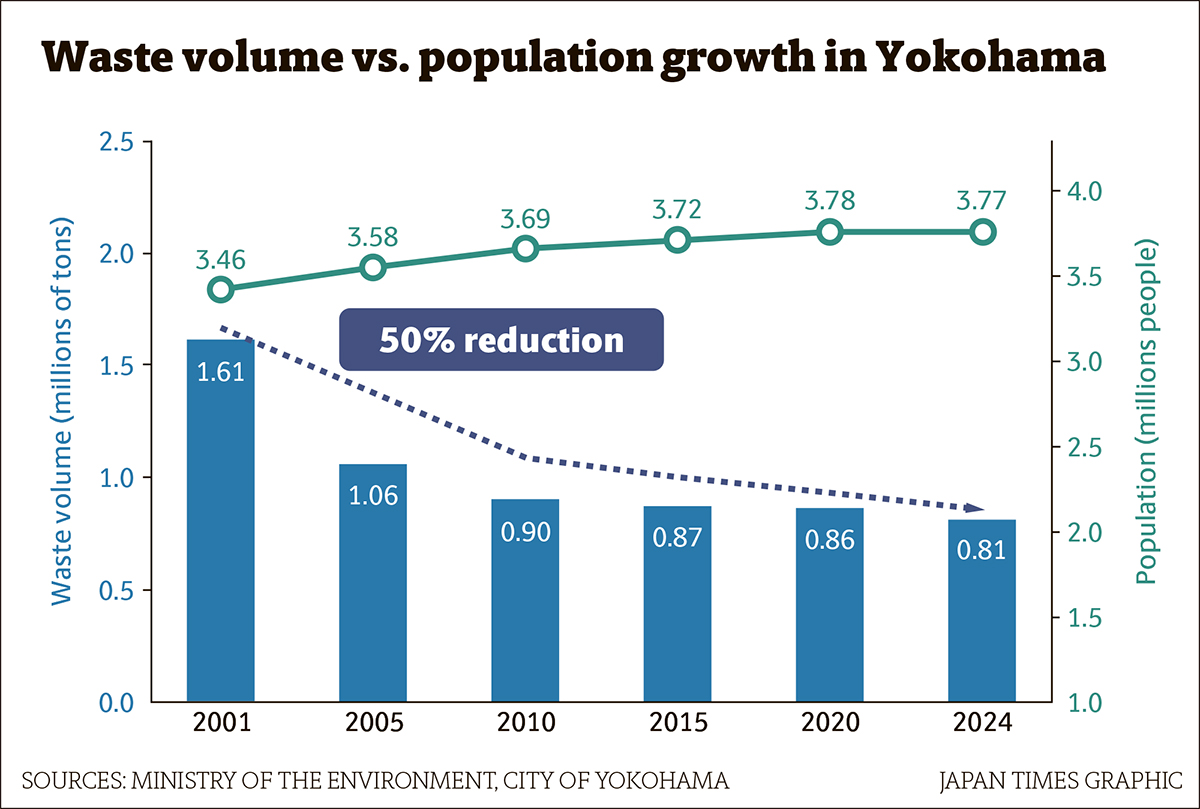
Yokohama has been addressing waste issues for decades. During a plenary session on Sept. 3, Norio Tomioka, executive director of the Global Initiatives Department of Yokohama, said that the city has successfully reduced waste by 50% since the beginning of this century. He explained that this achievement resulted from cross-sector cooperation between the government, volunteer groups, schools and businesses on various initiatives aimed at reducing, reusing and recycling waste. “We were able to close or suspend three out of seven incineration plants, saving ¥110 billion,” he said.
Tomioka’s presentation also mentioned the city’s new mid-term city policy for transitioning to a circular city, which involves collaboration among multiple stakeholders in the fields of food, buildings and consumer goods. The presentation emphasized the city’s efforts to enhance collaboration with other Asian cities, which began in the early 1970s in the form of providing technical assistance.
On the last day of the event, the public-private dialogue session explored how municipal policies can foster market creation. The session focused on some of Yokohama’s ongoing projects based on the partnerships between the city and enterprises in various fields, including construction, manufacturing, logistics, software technology and data infrastructure.
Tamara Iskandar, a cities strategist at Circle Economy, a nonprofit based in Amsterdam, who participated in the forum as a speaker, said in an interview with The Japan Times, “Yokohama has done a great job of measuring and visualizing their own material flows, working with their own priority sectors to enhance circularity and being one of the pioneers in Asia to showcase their best practices and engage with other cities internationally.”
She stated that what works in Europe might not work in other regions due to various factors, including differences in work culture and tradition. She added that international events like the APCC-Forum can facilitate mutual learning, allowing various parts of the world to benefit from each other.
At the conclusion of the three-day event, the ACCD gathering and closing session was held with a full audience, including many who were standing. During the session, it was announced that the number of signatory cities had grown from 26 cities in seven countries to 43 cities in 11 countries.
The results of a survey conducted among ACCD member cities prior to the event were also shared. The results revealed the progress each city has made in carrying out various circular city initiatives and the challenges they faced during the process.
Based on the analysis of the survey results, the ACCD Action 2026 was formulated and announced by Togo Uchida, the executive director of ICLEI Japan, during the session. Action 1 involves establishing working groups to respond to the needs of member cities to enhance their abilities, and Action 2 positions the ACCD as a key regional initiative that promotes international engagement among member cities, as well as with international institutions and frameworks. Action 3 involves expanding and strengthening the ACCD and its secretariat functions to create opportunities for member cities.
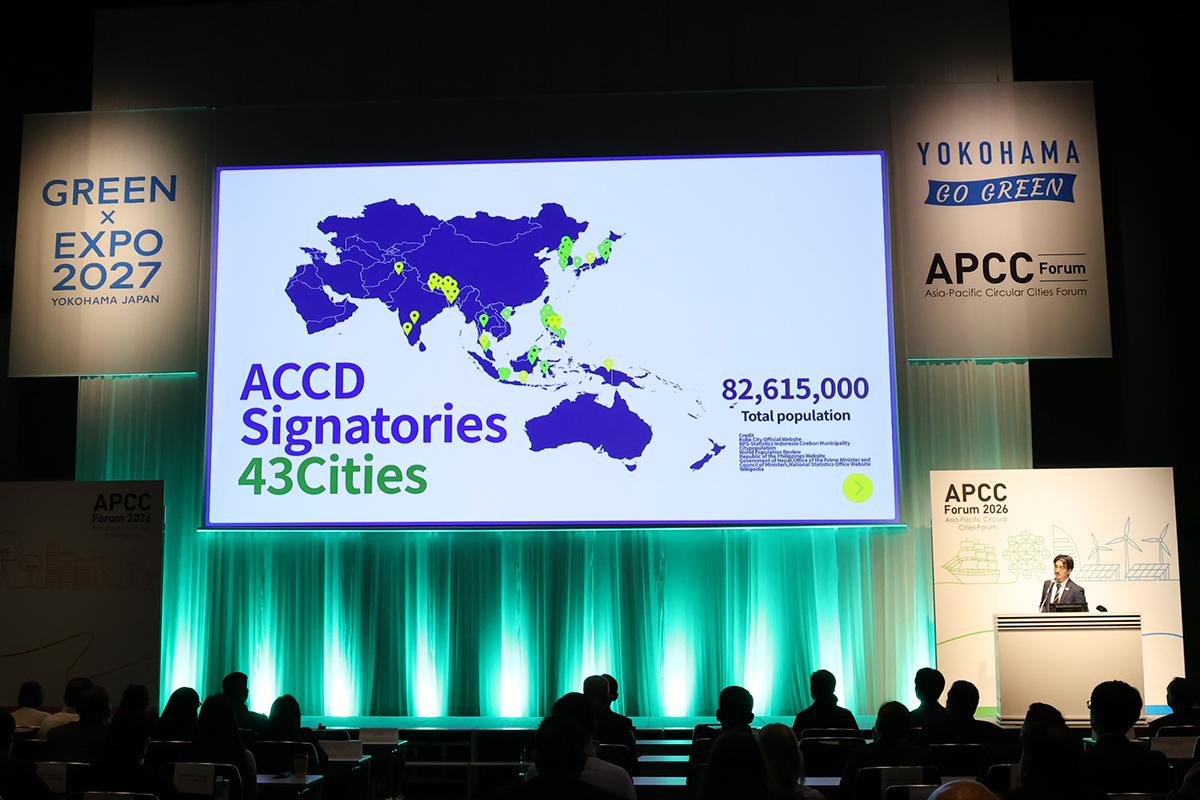
In his closing remarks, the deputy mayor celebrated the ACCD for taking “a significant step forward, moving beyond a declaration to become a platform for tangible action.”
Additionally, participants of the youth session, one of the forum’s side events held on Sept. 4, announced the launch of a student-led project as part of the “Voices of the Future.” The initiative aims to amplify the perspectives of future generations and has already begun its activities in preparation for the ninth Asia-Pacific Urban Forum, which will take place in Yokohama next year.
In 2027, Yokohama will host several events focusing on topics such as circularity and sustainable urban development during the International Horticultural Expo 2027, which is scheduled to take place from Mar. 19 to Sept. 26. Along with APUF-9, which will take place from Aug. 30 to Sept. 3, and the APCC-Forum 2027 from Aug. 31 to Sept. 2, the city will host the Cir-Bay 2027, an international exhibition featuring companies and solutions related to the circular economy. Yokohama has designated this period as Yokohama Circular Week and aims to achieve even greater outcomes in its pursuit of a circular society.


