


Japan is often considered to be among the world’s most disaster-prone countries. According to calculations issued last year by the government’s Earthquake Research Committee, there is a 60% to 94.5% probability the dreaded Nankai Trough earthquake will occur within the next 30 years. It is projected to be catastrophic, with around 300,000 fatalities and 12.3 million people displaced along the Pacific coastlines of Kyushu, Shikoku and Honshu. Torrential rain and flooding has also been on the rise.
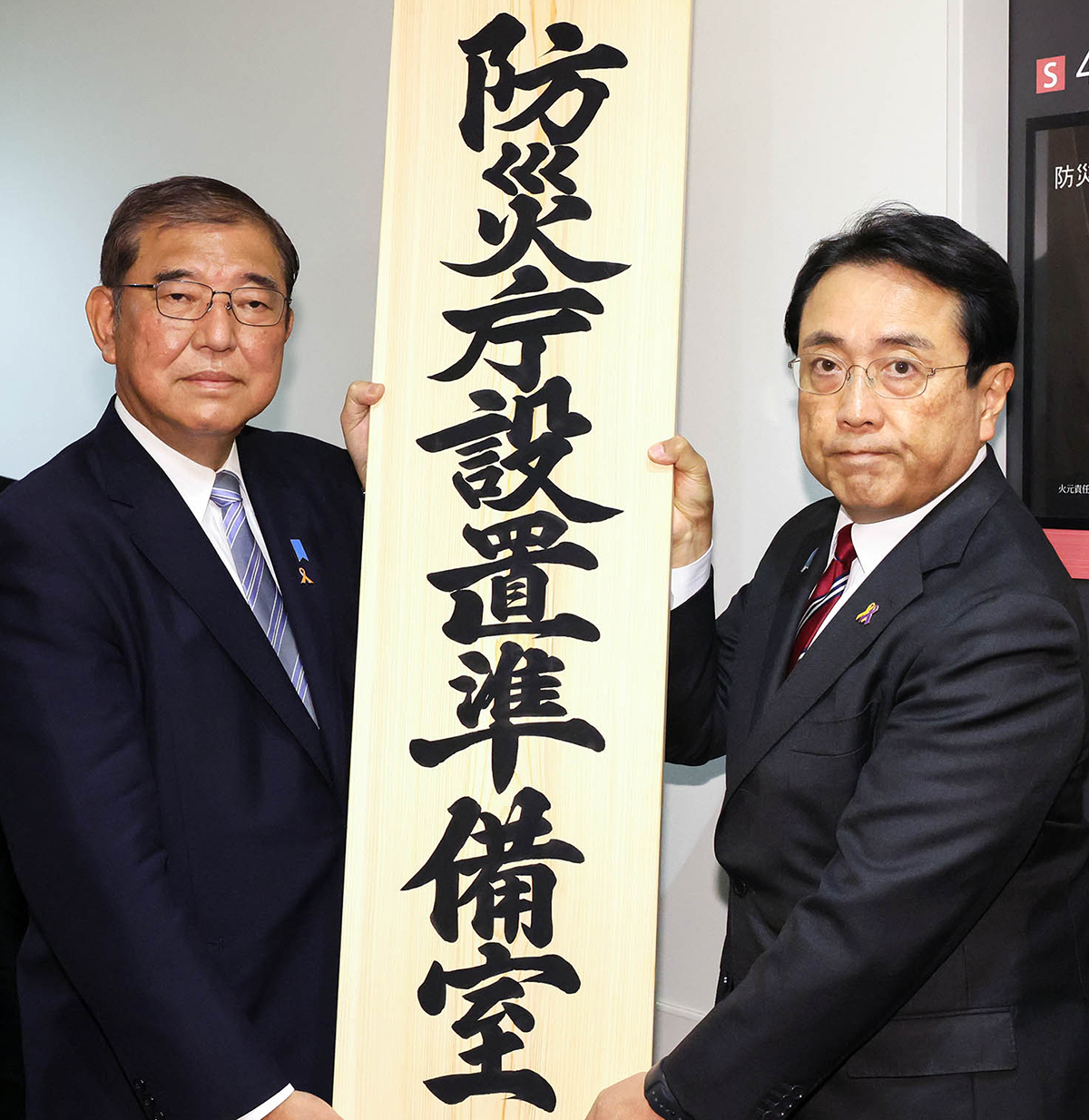
Against this backdrop, the Diet in July passed a bill to establish the Disaster Management Agency. The goal is to launch the agency by the end of the year.
It is crucial for the government to know how to respond when disaster strikes, protect people’s livelihoods and accelerate recovery efforts. Kazuhisa Nagahashi, the vice minister for disaster management in the Cabinet Office, stated the move to establish a dedicated agency was driven by a growing awareness that it was also necessary to promote preventive measures to minimize potential damage before disasters even strike.
When disasters strike, the prime minister takes the lead in gathering the other ministers to issue instructions on how to respond. At other times, however, the ministries and agencies develop preventive measures in their own areas of responsibility. Nagahashi said oversight of these individual efforts was needed to ensure policy consistency and foster intragovernmental cooperation.
Originally, the Cabinet Office had a team of 110 staffers who coordinated disaster prevention steps across the government. That was doubled to 220 last year, with the new agency expected to launch with 352, he said. This is much needed as the previous staffing levels were far too low to deal with both emergencies and prevention simultaneously.
As an example, he recounted how in fall 2023, the team began work on the first revision in 10 years of the Basic Plan for the Promotion of Nankai Trough Earthquake Disaster Management Countermeasures. The revision process involves verifying damage estimates and updating the plan accordingly. However, due to the Noto Peninsula Earthquake in January 2024, the revision was suspended for about six months because they were overwhelmed.
“The Disaster Management Agency will have a larger staff of about 350,” Nagahashi said, pointing out that disaster-stricken municipalities will find it more efficient and convenient to coordinate with the agency during emergencies rather than several other governmental entities.
For example, when sediment flows onto roads, the land ministry is responsible for cleanup operations. If the sediment ends up in rice fields, the agriculture ministry is in charge. If it is on residential property, it is treated as waste. Even if it is the same sediment, the cleanup rules and procedures vary greatly, he said.
In disaster-hit areas such as Noto, similar situations have been seen, and Nagahashi is optimistic the agency will be able to expedite cleanup operations by playing a central role in removing sediment wherever it is found, leaving the classification work for later.
The agency will also play a leading role in raising public awareness of the dangers posed by natural disasters.
“In the case of an earthquake directly beneath the capital … it is estimated that fires will account for approximately 70% of the fatalities,” he said, noting it is critical residents install tremor-sensing circuit breakers to automatically cut power when earthquakes strike. Despite the potential benefits, Nagahashi said the new circuit breakers have not yet caught on.
He also pointed out that when an earthquake triggers tsunami, the tsunami-related deaths tend to far exceed those caused by the quake itself. Citing statistics from the March 2011 Great East Japan Earthquake, he said that about 90% of the fatalities were caused by tsunami. Since evacuating immediately to higher ground can prevent major loss of life, Nagahashi said it’s important to raise awareness on a daily basis.
He also said the agency will establish a new position for its spokesperson to disseminate information more efficiently in times of disaster while collaborating with other government bodies, such as the Japan Tourism Agency and the Foreign Ministry, to provide information in multiple languages.
Collaboration with various stakeholders is essential to enhancing disaster preparedness and response capabilities, Nagahashi said, noting it is important that nonprofits, volunteers, private companies, academia and municipalities continue to play their roles. He said the Disaster Management Agency would play a central role in this network to maximize their disaster response capabilities.
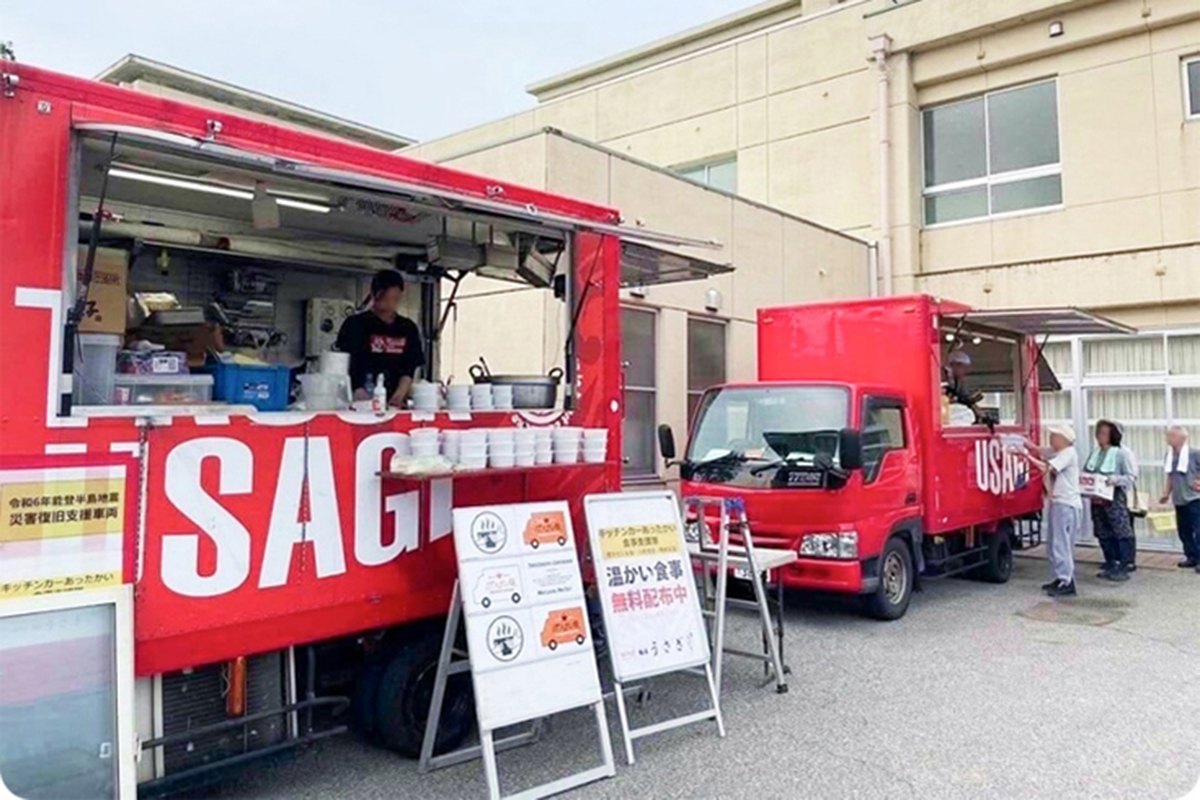
For example, he said that when it comes to providing meals in disaster-affected areas, it would be more efficient to ask people in the food service industry to handle it. Local governments have information on residents, such as who requires special care and where elderly residents live. Nagahashi hopes to strengthen collaboration with municipalities by sharing information and concerns to provide tailored support in times of emergency.
Multistakeholder cooperation is also crucial for improving the digital side of disaster management, such as Sobo-Web, a comprehensive data-sharing system that will allow people to quickly assess their situation when disaster strikes. Nagahashi said the system combines information on roads and rivers from the land ministry, the National Police Agency, the Defense Ministry and private companies, such as vehicle tracking data to generate localized maps showing what’s been damaged, how badly, and which roads and other transport modes may still be viable.
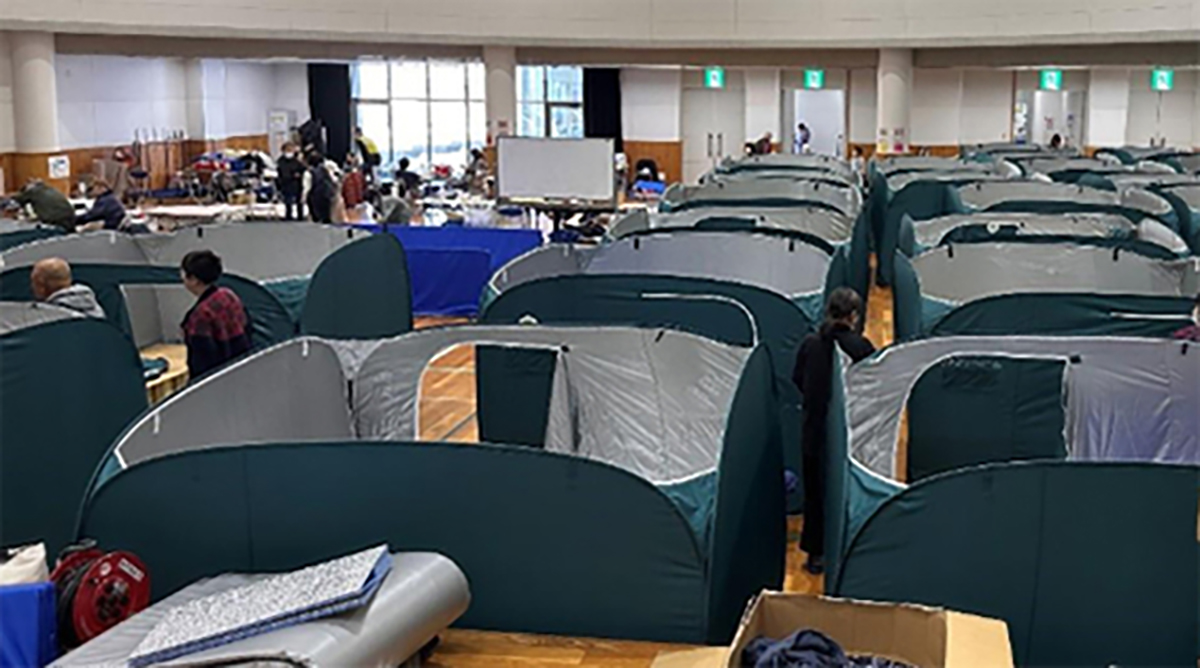
The use and development of Sobo-Web is accelerating to improve its ability to collect information about evacuation centers and relief supplies.
Nagahashi said Japan has strengths in various technologies, such as weather forecasting using satellites and supercomputers, drones that help locate people buried under rubble by scanning temperature differences from the air, and household water recycling and circulation technologies. He said the government aims to promote the domestic implementation of these technologies and support their expansion overseas.
There are various opportunities for the world to come together and discuss ways to better prepare for and mitigate the impact of disasters. The U.N. World Conference on Disaster Risk Reduction is one of them. Since 1994, there have been three conferences, all of which were hosted by Japanese cities.
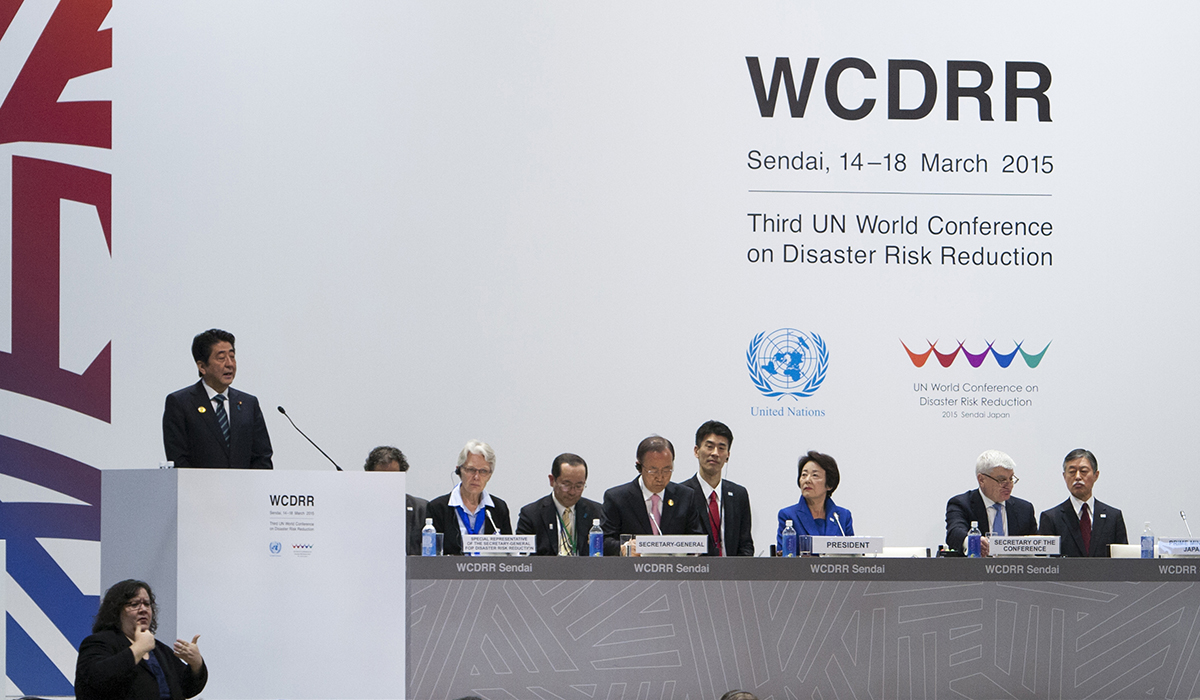
The most recent conference in Sendai in 2015 led to the adoption of the Sendai Framework for Disaster Risk Reduction 2015-2030, a global guideline. Building on this legacy, Sendai will also host the next Asia-Pacific Ministerial Conference on Disaster Risk Reduction scheduled in 2027, where government leaders and representatives of nongovernmental and nonprofit organizations, as well as businesses and research institutes, will gather information on disaster management efforts while learning from other countries.
“Our policy framework must ensure that regardless of who they are or where a disaster strikes, people’s lives are saved first, and those saved lives are firmly sustained. Only then can Japan truly take pride in calling itself a leading nation in disaster resilience,” Nagahashi said.
This article is sponsored by the Cabinet Office. For more information, please visit


