


From dazzling kabuki, mysterious noh and sophisticated bunraku to comedic kyogen and the unique, traditional musicals of tropical Okinawa, Japan’s wide variety of UNESCO-recognized performing arts continue to delight, surprise and captivate audiences throughout the year. The National Theatre Traditional Performing Arts Training Institute nurtures young performers in these fields, passing down the techniques and artistry refined across centuries to future generations.
Kabuki
Kabuki is an over 400-year-old dramatic theater art known for vivid storytelling, exquisite costumes and iconic makeup, in which men perform all the roles. Its main genres are jidaimono (historical dramas), often about samurai and court society before the Edo Period (1603 to 1867); sewamono (domestic dramas) depicting common folk during the Edo Period, when most of the plays were written; and shosagoto (dance). The National Theatre often produces classical works and beginner-friendly plays, primarily in Tokyo, allowing new audiences and dedicated fans alike to enjoy the world of kabuki.
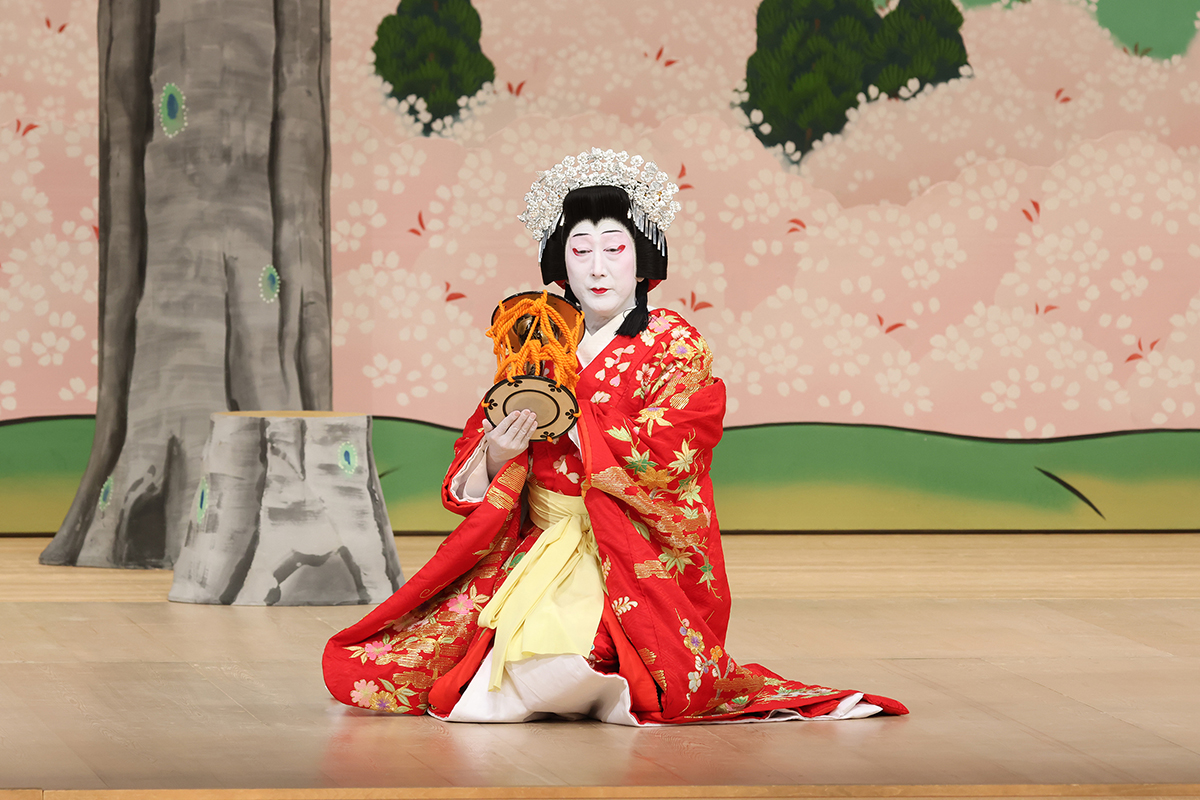
Production company: National Theatre
Dates:
Oct. 1 to 20, 2026 (except 10/9)
Jan. 8 to 26, 2027 (except 1/15)
Venue: New National Theatre, Tokyo (Playhouse)
Note: Information on upcoming performances to be posted on website
URL:
Bunraku
Bunraku began in the Edo Period as popular entertainment, using a sophisticated form of puppeteering to perform mature dramas for adult audiences. This requires decades of mastery, as the three people manipulating each puppet must work together seamlessly to breathe life into each character while in sync with the tayu (narrator) and the shamisen player, who dictates the pace. Bunraku challenged kabuki for popularity, but both evolved with the times, adapting plays and innovations from one another. Today, bunraku remains a uniquely Japanese form of puppet entertainment.
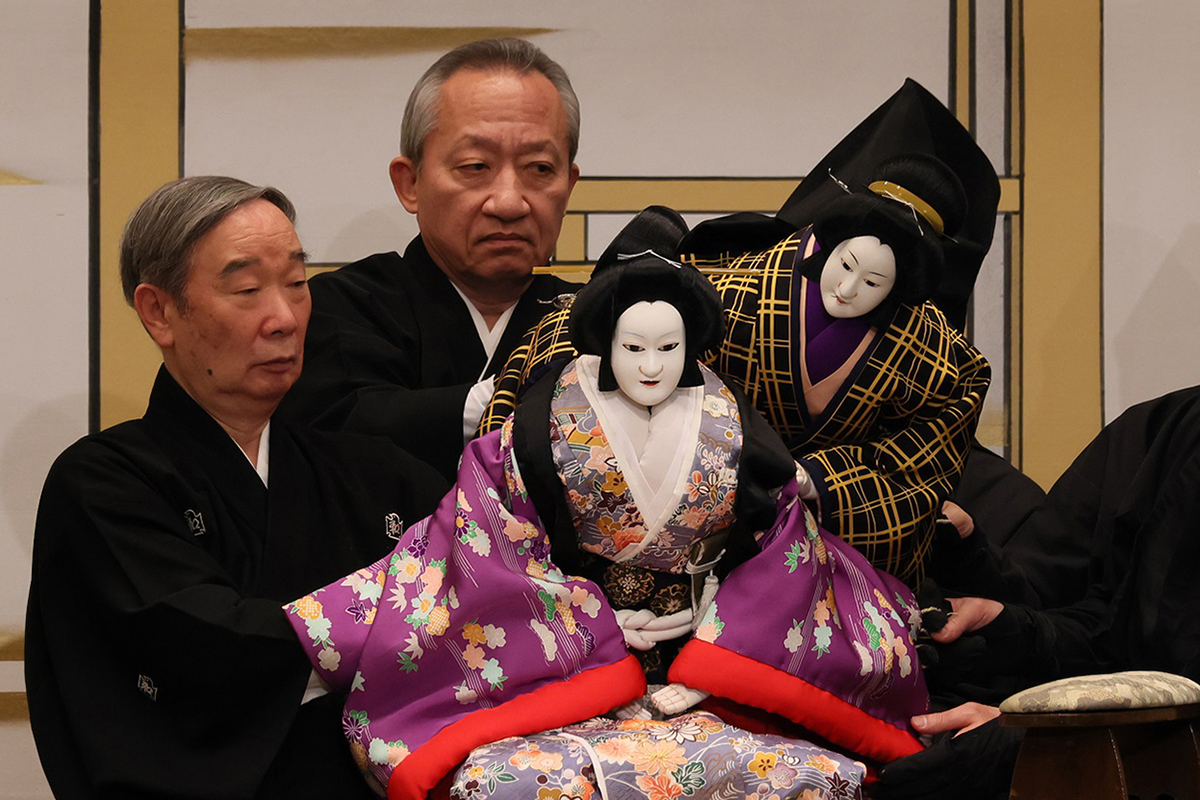
Production company: National Theatre and National Bunraku Theatre
Dates and venues:
Sept. 10 to 20, 2026 (except 9/14), Koto Cultural Centre Hall
Oct. 31 to Nov. 23, 2026 (except 11/6 and 16), National Bunraku Theatre
Dec. 6 to 19, 2026 (except 12/10), Tokyo Metropolitan Theatre (Playhouse)
Jan. 3 to 24, 2027 (except 1/14), National Bunraku Theatre
Feb. 5 to 14, 2027 (except 2/10), Shinagawa Curian Hall (Large Hall)
Feb. 20 to March 6, 2027 (except 2/25), KAAT Kanagawa Arts Theatre (Hall)
URL:
Kumiodori
Kumiodori is a colorful and elegant form of Okinawan musical drama that originated about 300 years ago when Okinawa was the Ryukyu Kingdom. It combines Ryukyuan ancient language, folklore, dance and music with inspiration from Japanese and Chinese theater. Initially performed to entertain Chinese envoys, it developed artistically under the patronage of the royal government. In 1972, when Okinawa reverted to Japan, kumiodori was designated an Important Intangible Cultural Property as one of the nation’s outstanding performing arts alongside nohgaku, kabuki and bunraku.
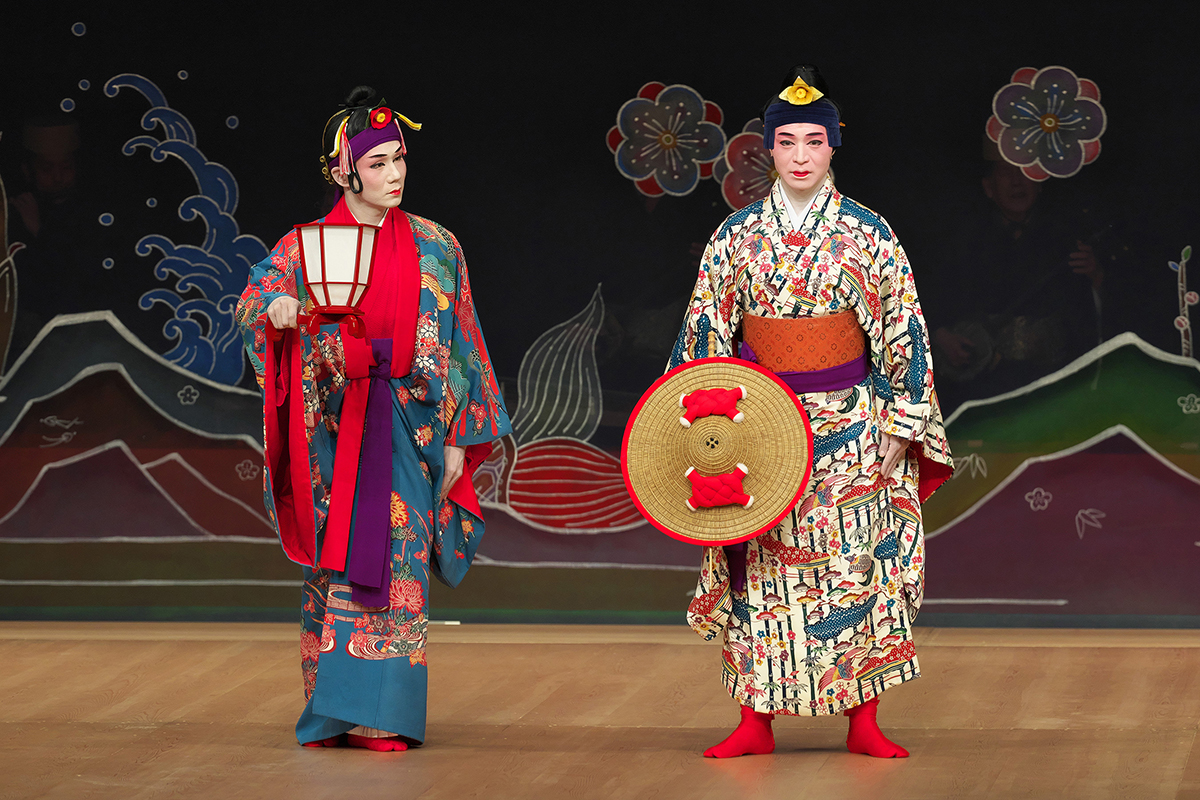
Production company: National Theatre Okinawa
Dates:
Oct. 29, 30 and Nov. 1, 2026, Kumiodori Performance for Beginners “Shushin Kaneiri”
Dec. 19, 2026, Kumiodori “Chushin Migawari no Maki”
Venue: National Theatre Okinawa
URL:
Nohgaku
Nohgaku is the collective term for noh and kyogen, the world’s oldest surviving professional theater traditions. Distinct in tone and style, the two are performed on the same cypress stage and shaped by centuries of shared history. While noh took its present form in the mid-1300s as a solemn and poetic art, kyogen remained more improvisational, offering moments of humor and grounded storytelling. During the Edo Period, nohgaku flourished under the patronage of the shogun and was designated as the shogunate’s official ceremonial performance art.
Production company: National Noh Theatre
Dates: Oct. 30, 2026, “Discover Noh and Kyogen”
Venue: National Noh Theatre
Note: This event is intended for foreign audiences. Commentary will be provided in English and subtitles will be available in English, Chinese, Korean, Spanish, French and Japanese.
URL:


